first aid for severe trauma
SAFETY 1ST TRAINING
In the United States, up to 20% of trauma-related deaths—approximately 30,000 lives each year—could be prevented with optimal trauma care.
Trauma is the leading cause of death for individuals under 45 in the U.S., and the majority of these deaths occur within the first few hours following injury. Immediate, effective intervention is crucial. However, many deaths are preventable if victims receive timely and appropriate care. This underscores the critical need for widespread training in severe trauma response. By equipping individuals with the skills to manage severe bleeding, perform rapid assessments, and stabilize patients before professional help arrives, we can significantly reduce preventable deaths and improve survival outcomes.
Severe Trauma course prepares you to respond quickly and effectively to life-threatening injuries.
-
ASSESS
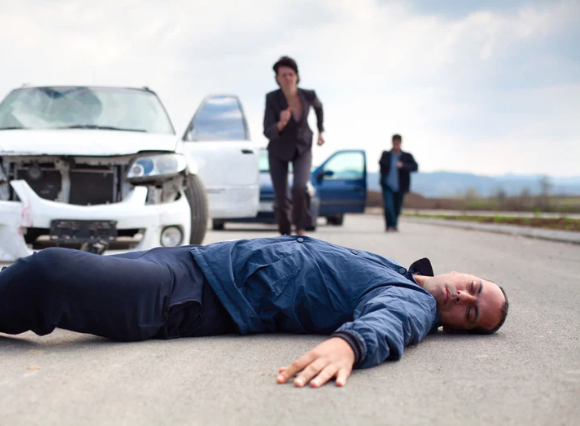
Assess a trauma scene and ensure safety for yourself and the victim.
-
CONTROL
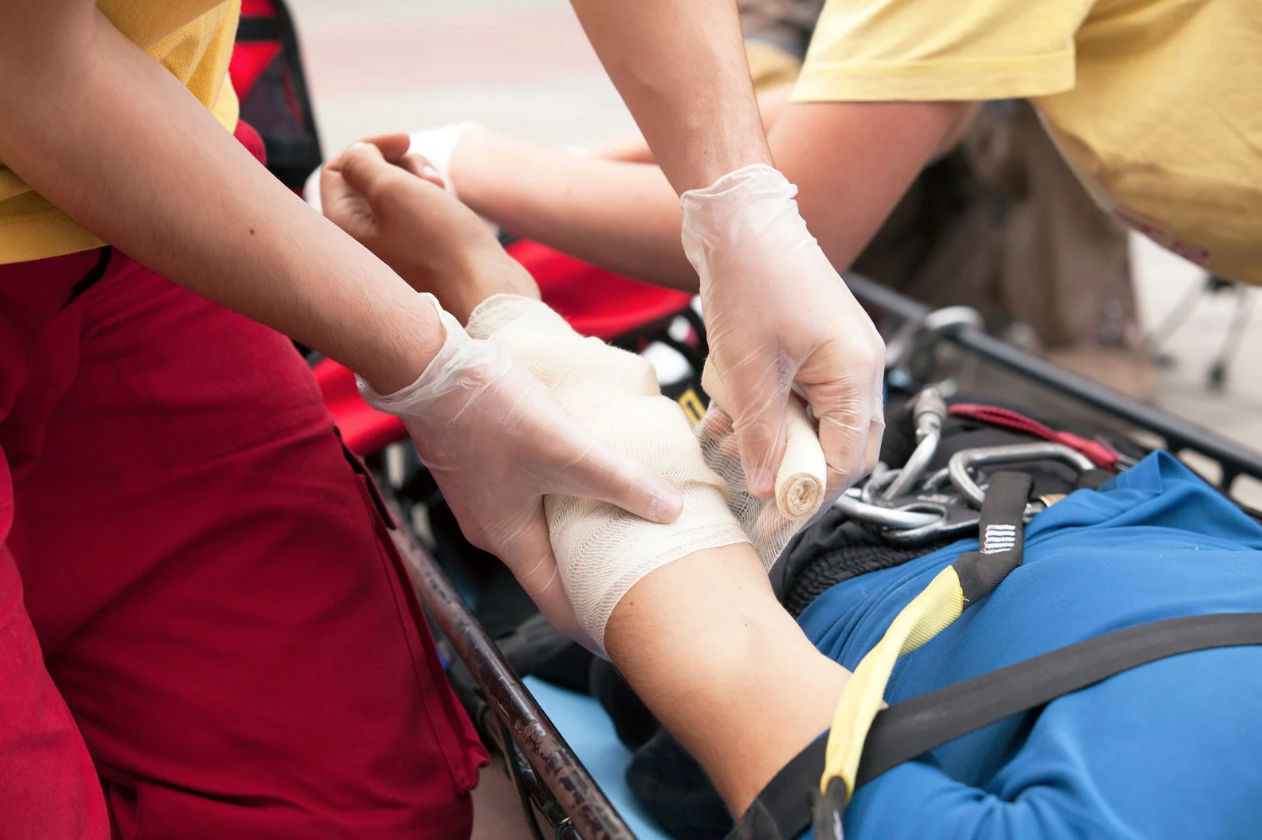
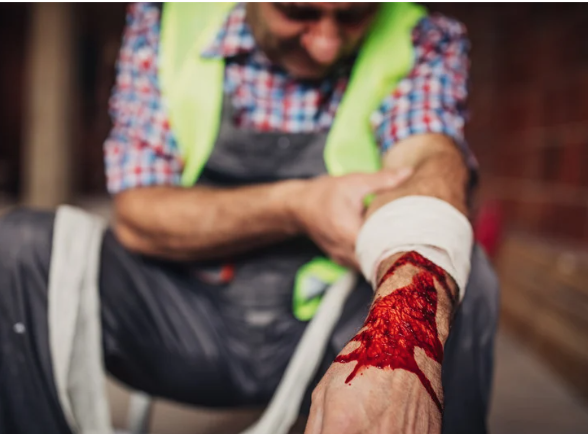
Control heavy bleeding using direct pressure, wound packing, and tourniquet application. Manage traumatic injuries such as chest wounds, head injuries, fractures, and shock.
-
STABILIZE
Provide care and stabilize the patient until emergency medical services arrive.
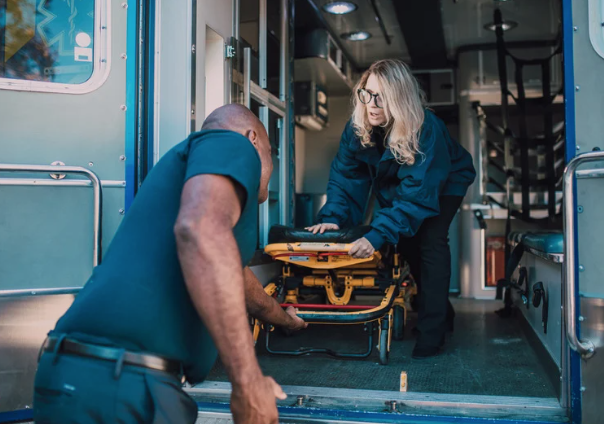
hands-on practice with realistic
SCENARIOS BUILD THE CONFIDENCE AND SKILLS
NEEDED TO ACT DECISIVELY DURING SERIOUS EMERGENCIES.
FAQs
-
This course is designed for healthcare professionals, first responders, safety personnel, and anyone who wants to be prepared to respond to life-threatening trauma situations. No prior trauma experience is required, though medical professionals may find it especially beneficial.
-
No prior medical training is required. While healthcare professionals may grasp concepts more quickly, the course is designed to teach essential trauma response skills to anyone motivated to learn.
-
Severe trauma can occur anywhere — at home, in the workplace, or during accidents or natural disasters. Immediate, correct intervention can save lives and prevent permanent injury. This training equips you with the knowledge and confidence to act quickly and effectively when every second counts.
-
Yes. Participants receive a certificate of completion that demonstrates competence in severe trauma response and emergency care. Certification validity may vary by organization, so confirm with your employer or licensing body if needed.